How to Choose the Best Acoustic Isolation Membrane for Your Needs?
Choosing the right Acoustic Isolation Membrane is crucial for effective soundproofing. John Smith, a leading expert in acoustics, emphasizes, "A quality membrane can make all the difference in noise reduction."
These membranes come in various types and materials. Each serves unique acoustic needs. Understanding their differences is essential for optimal performance. It’s easy to overlook the nuances, yet these details significantly impact your project’s success.
Many consumers struggle to identify the best options, often relying on generic advice. This can lead to unsatisfactory outcomes. Balancing cost and effectiveness is another challenge. With the right knowledge, you can avoid common pitfalls. Investing time in research pays off in the long run. An informed choice ensures you select an Acoustic Isolation Membrane that truly fits your requirements.
Understanding Acoustic Isolation Membranes: Key Concepts Explained
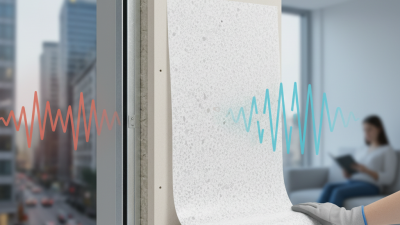
Acoustic isolation membranes play a crucial role in soundproofing applications. These products are essential in residential and commercial buildings to minimize noise pollution. Acoustic membranes work by dampening vibrations, reducing sound transmission between spaces. According to a report by the International Institute of Acoustics, effective sound isolation can improve living quality and enhance work productivity, emphasizing the importance of choosing the right membrane.
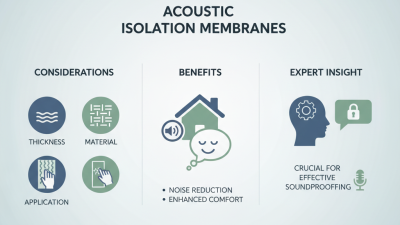
When selecting the best acoustic isolation membrane, several factors come into play. Consider the thickness and density of the material, as thicker membranes tend to be more effective. Additionally, look for membranes with specialized soundproofing properties. For instance, membranes with high impact noise reduction ratings (IIC) are particularly beneficial for multi-story buildings.
Tip: Always assess your space requirements before purchase. Measure the areas needing soundproofing accurately.
Not all products perform equally. Some membranes might not meet specific regulatory standards, which could affect performance. Research into compliance and certifications can save time and money in the long run.
Tip: Consult with acoustic professionals when unsure about product choices. Their expertise can guide you to optimal solutions tailored to your specific needs.
Types of Acoustic Isolation Membranes: Which One Suits Your Space?
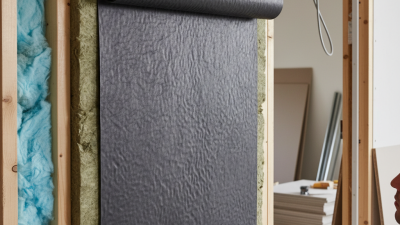
Acoustic isolation membranes come in various types, each suited for different environments. Understanding these options is crucial when selecting the right one for your space. Mass-loaded vinyl, for example, is highly effective for reducing sound transmission due to its high density. According to industry reports, it can reduce sound transmission by over 90% in certain applications when installed correctly.
Another type includes rubber membranes, known for their flexibility and sound absorption capabilities. These membranes can adapt to various surfaces, making them suitable for both residential and commercial settings. A study highlighted that rubber isolators can decrease noise levels by up to 25 decibels, significantly enhancing comfort levels in busy environments.
Choosing the right membrane involves assessing your specific needs. If high foot traffic is a concern, a more robust solution may be necessary. Yet, some products may not perform as expected in unique configurations. It is essential to consider installation challenges, as improper setup can hinder their effectiveness. Each type has its pros and cons, requiring careful consideration of space, budget, and sound quality objectives.
Evaluating Performance: Metrics to Consider When Choosing Membranes
When choosing an acoustic isolation membrane, evaluating performance metrics is crucial. You'll want to consider sound insulation ratings, often expressed in decibels (dB). A higher dB rating typically indicates better soundproofing capabilities. Also, understand how the material responds to different frequencies. Some membranes perform better at reducing low-frequency sounds compared to high-frequency noises.
Another essential metric is the material thickness. Thicker membranes usually provide better isolation, but they can also be heavier and costlier. You must find a balance between effectiveness and practicality based on your specific needs. Consider installation challenges as well. Some materials require specialized application techniques that may not be suitable for DIY projects.
Durability and longevity are additional factors to evaluate. Acoustic membranes should withstand wear and tear over time. Researching real-world performance can provide insights into user experiences. Nevertheless, not every product lives up to its claims. You'll want to read reviews with a critical eye. Aim for products that provide verifiable test results. An informed choice will elevate the effectiveness of your soundproofing efforts.
How to Choose the Best Acoustic Isolation Membrane for Your Needs?
This chart illustrates the sound insulation performance of different acoustic membrane materials. When choosing an acoustic isolation membrane, consider metrics such as sound insulation, density, and flexibility, which can greatly influence the overall effectiveness of noise reduction in various environments.
Installation Considerations: Essential Steps for Effective Use
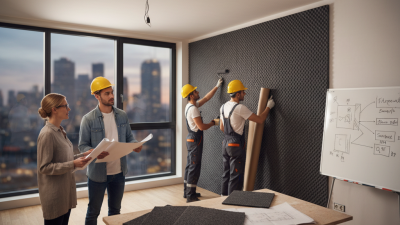
When installing an acoustic isolation membrane, careful preparation is crucial. Clear the area of any obstructions. This ensures a smooth application. Pay attention to the surface condition, as any imperfections can affect performance. A clean and even foundation is key for effectiveness.
Measuring correctly is another vital aspect. Accurate measurements help in cutting the membrane to size. This reduces waste and makes installation easier. Overlapping seams can compromise soundproofing. Therefore, precise cutting and placement are essential for optimal results.
Remember to allow the membrane to acclimate to the room temperature before installation. This step can enhance adhesion and overall performance. Double-check that you have all necessary tools ready, and prepare for adjustments as needed. Flexibility during installation can lead to better outcomes. Consider reviewing your work frequently to catch any mistakes early. Reflecting on the process can lead to improvements in future installations.
Cost vs. Quality: Finding the Best Value Acoustic Isolation Solution
When seeking the ideal acoustic isolation membrane, cost and quality often collide. A report from the Acoustic Society of America indicates that sound insulation materials can vary widely in price. The highest-performing options can exceed $3 per square foot, while budget solutions may start around $0.75. This creates a dilemma for consumers who desire effective soundproofing without overspending.
Opting for the cheapest solution can lead to unexpected issues. Lower-priced materials may not provide sufficient sound dampening. They often degrade faster, requiring replacement sooner than expected. A study by the National Institute of Standards and Technology (NIST) emphasizes that investing in quality membranes not only enhances performance but also longevity. Quality membranes can effectively reduce noise levels by up to 30 decibels.
The balance between cost and performance is delicate. Some products may appear affordable but fall short in effectiveness. Consider the specific needs of your space. If serious noise reduction is paramount, a higher-quality membrane could save you money in the long run. Always evaluate products based on independent testing and specifications to ensure you're making a reliable choice.